Insights
Technical articles, site reviews and commentary from the Techtonic team — open pit and underground. Most begin life as a post on our LinkedIn page; this is where they stay.
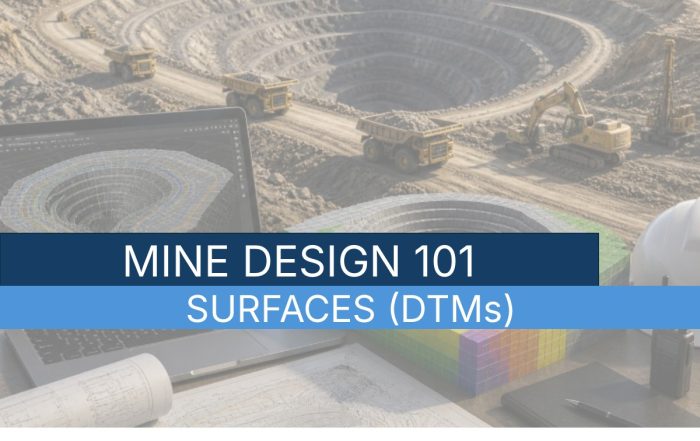
Surfaces (DTMs): From Lines to Terrain
A surface can look perfect and still be wrong. Every volume you report is only as good as the surface behind it, and a bad surface still gives you a number.
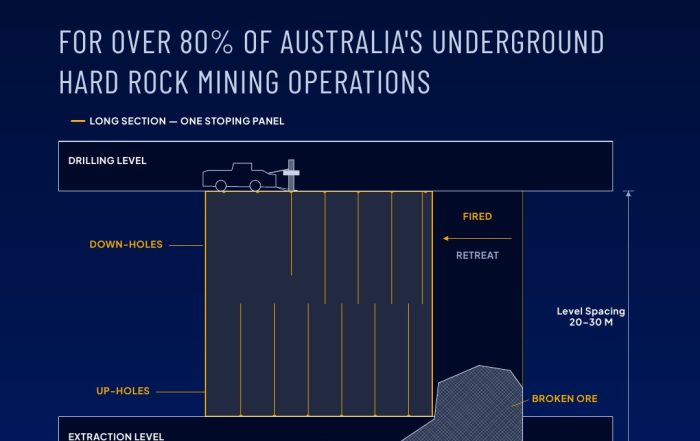
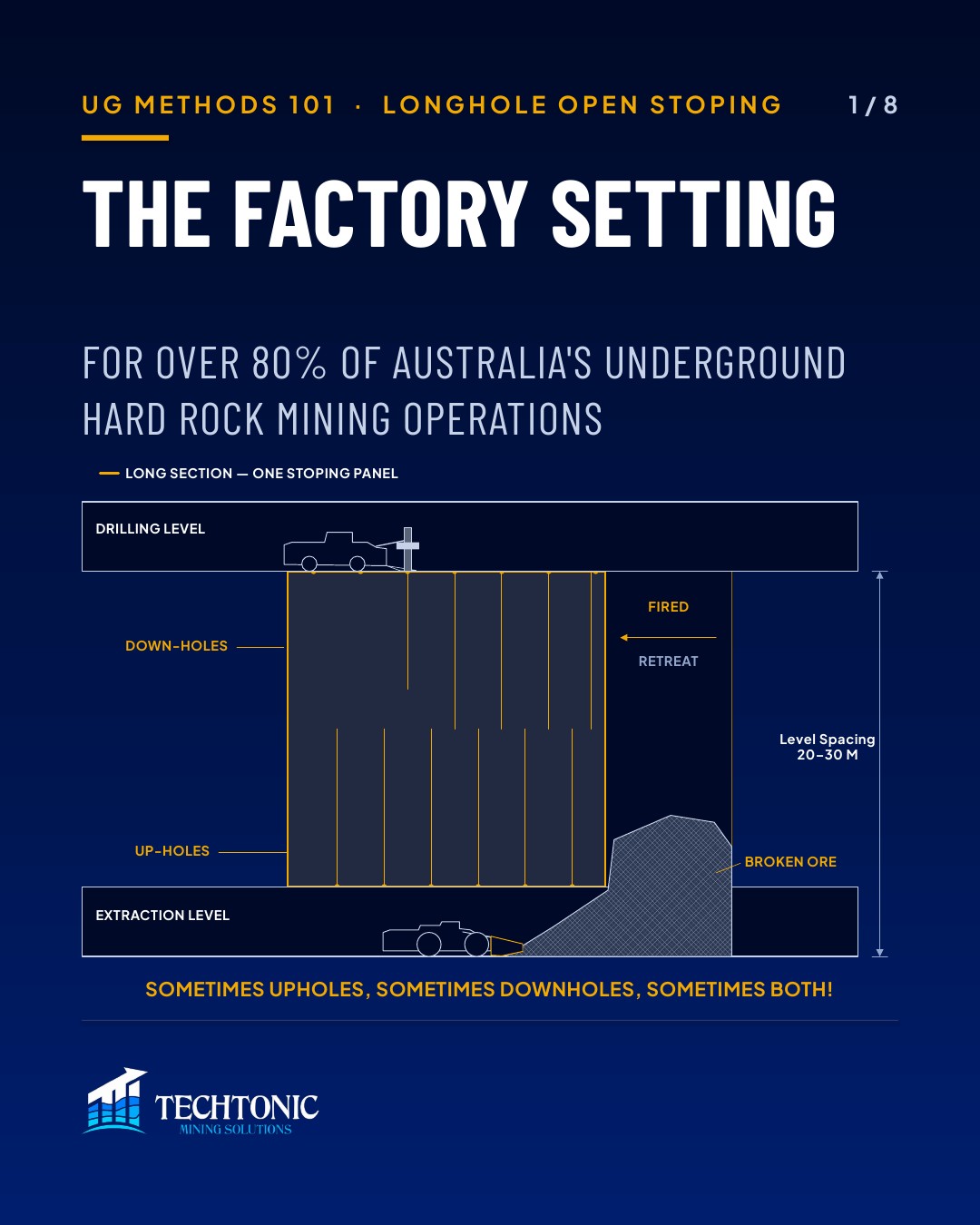
Longhole Open Stoping: The Factory Setting
The underground method used by most of Australia's hard rock industry. Long production holes, open stopes, and a sequence that is the ground control plan.
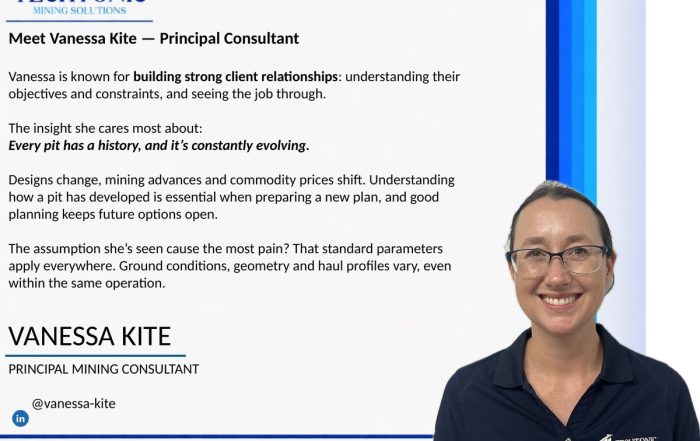
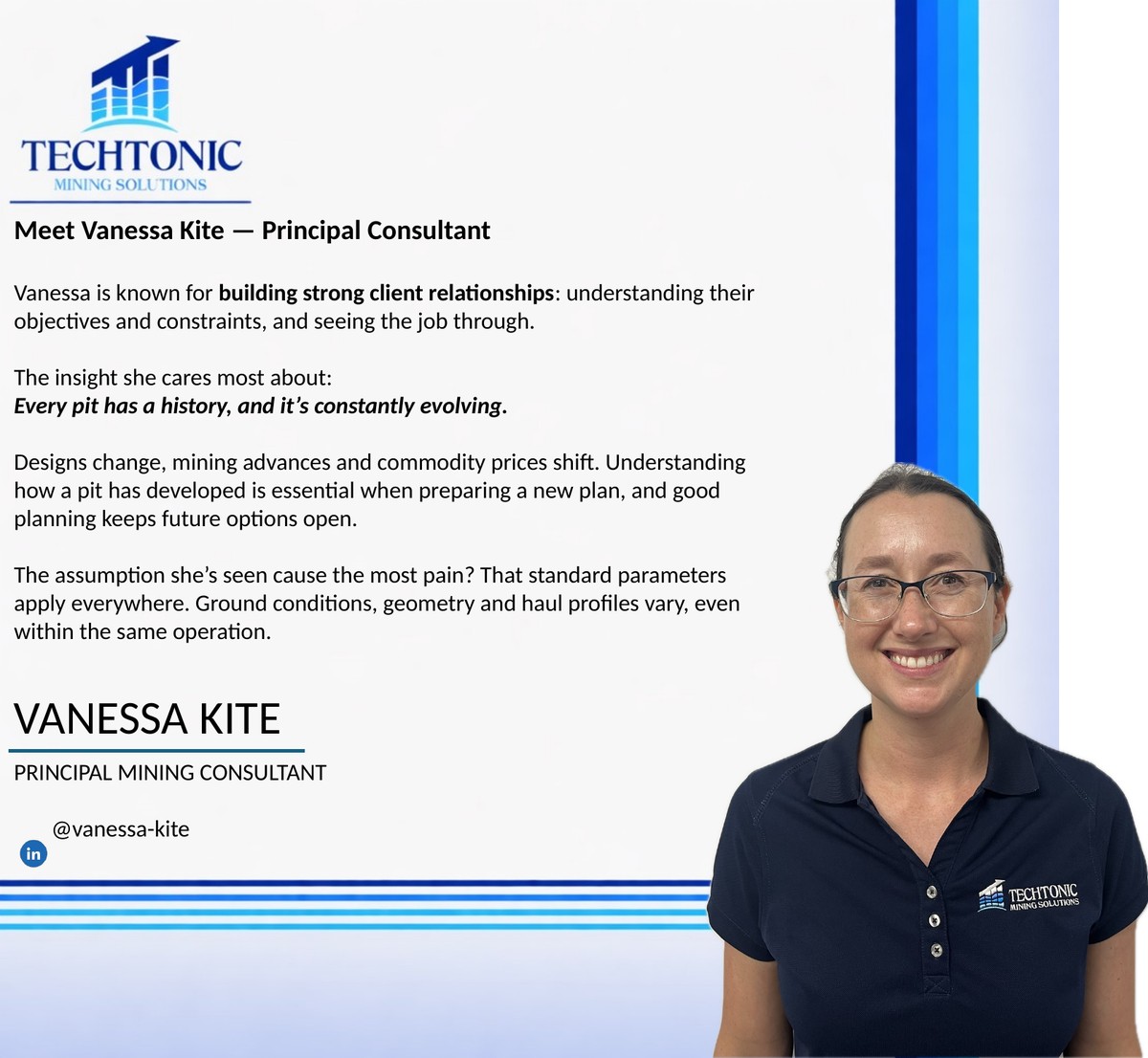
Meet Vanessa Kite
Every pit has a history, which is often still being written. Vanessa is known for building strong client relationships and seeing the job through.
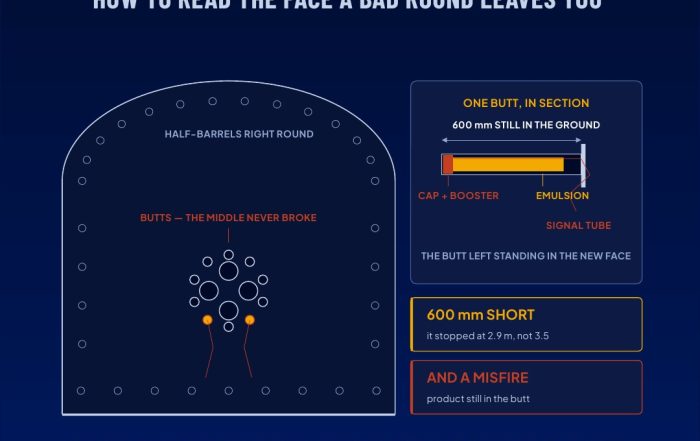
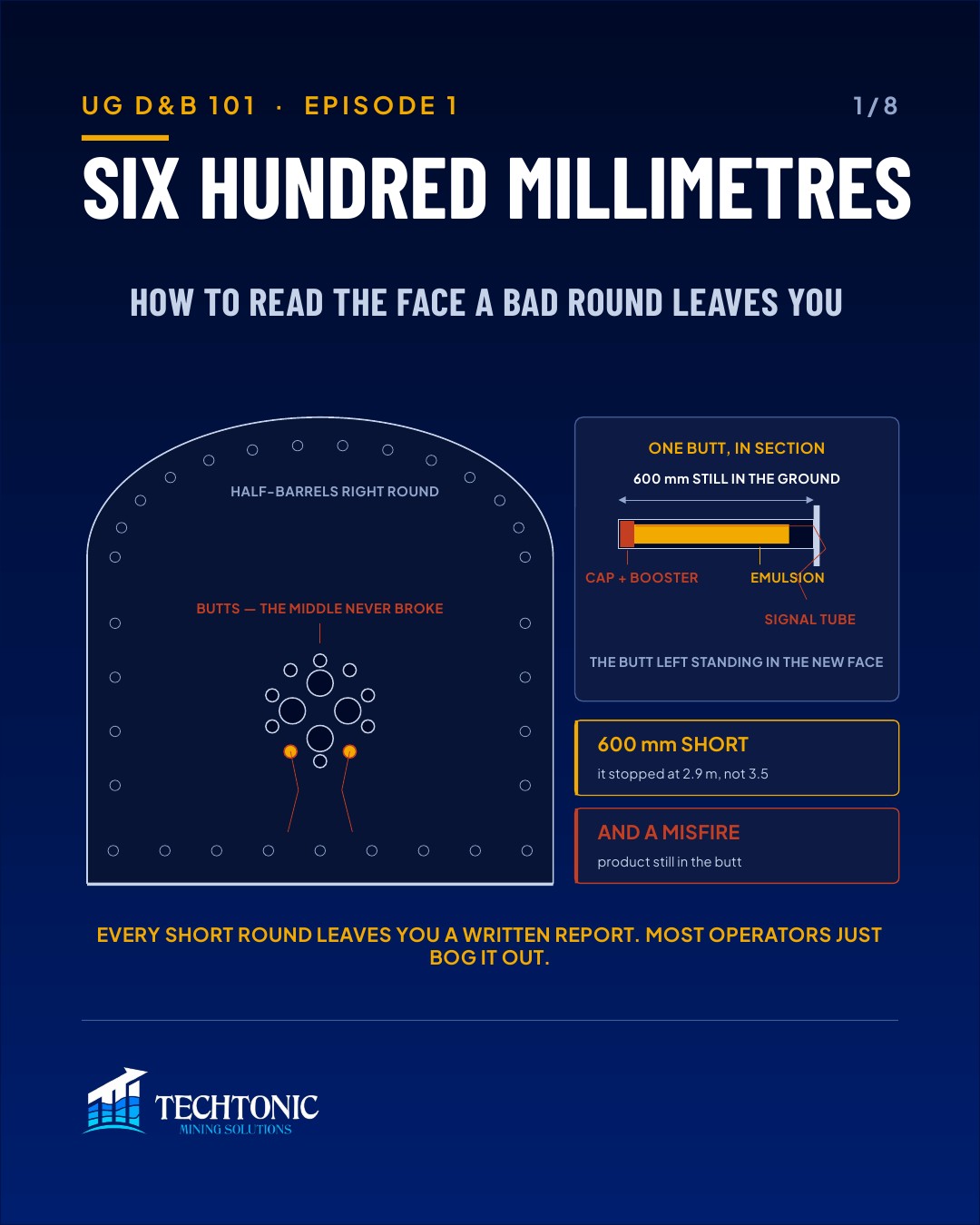
Six Hundred Millimetres: Reading the Face a Bad Round Leaves You
Six hundred millimetres short, twice a day, is about thirty-six development metres a month. It is the most expensive number in the heading, and almost nobody measures it.
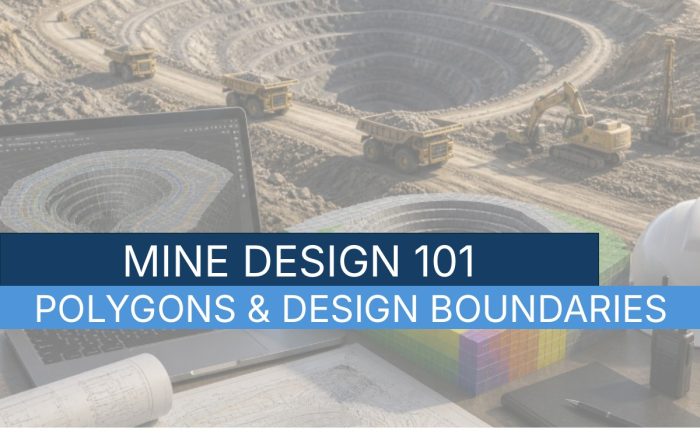
Polygons and Design Boundaries: Turning Lines into Areas
A string is just a line. Close it and it becomes something you can measure. The danger is when it does not close properly, and you get a number back that is wrong.
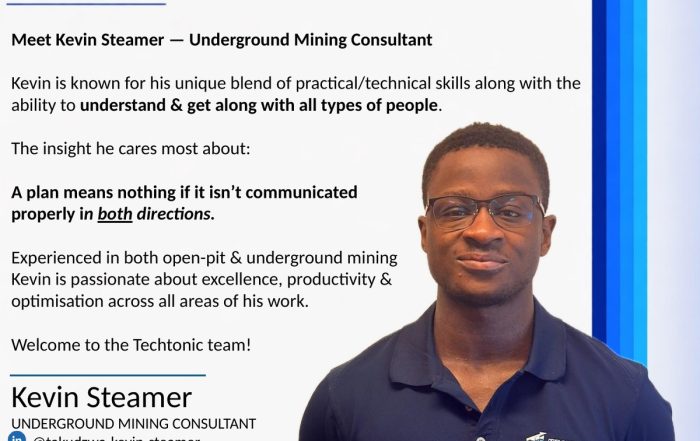
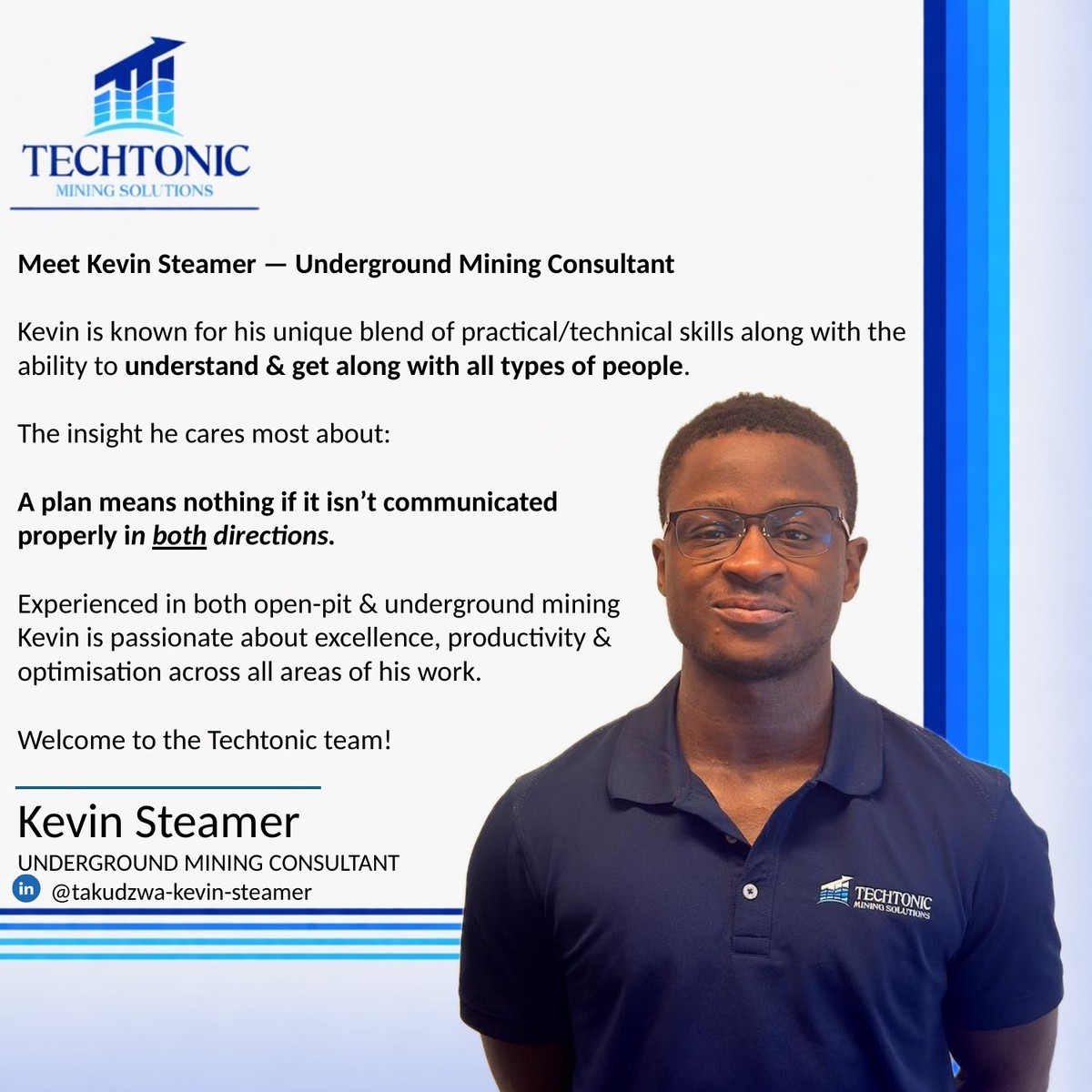
Meet Kevin Steamer
Experienced in both open pit and underground, Kevin knows a plan means nothing if it is not communicated properly in both directions.
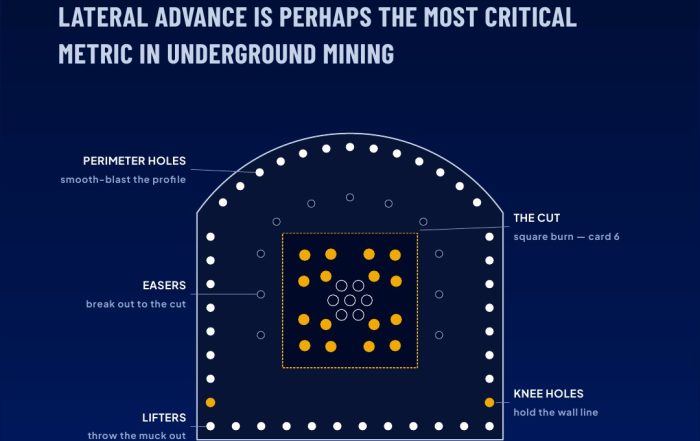
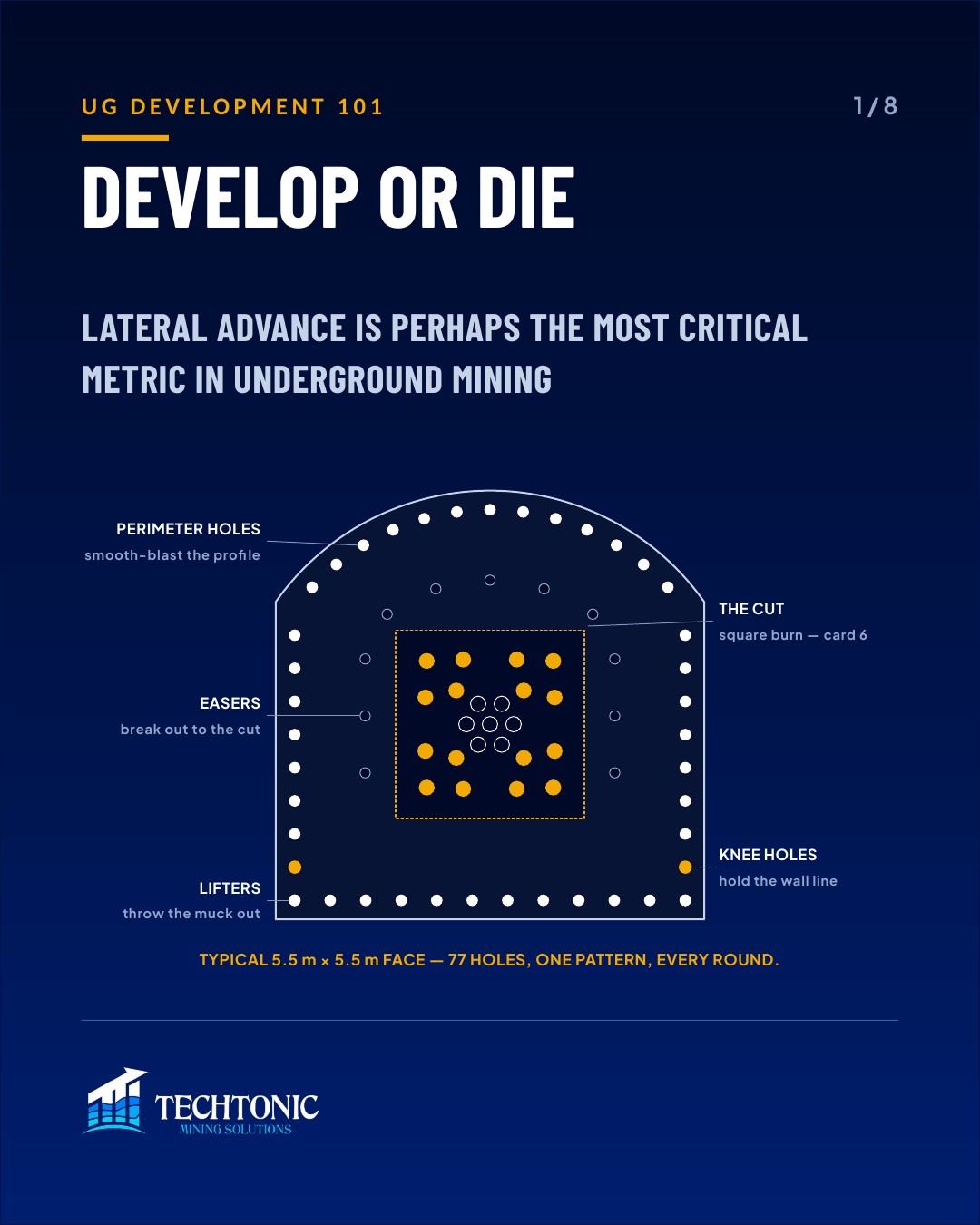
Develop or Die: Why Lateral Advance Sets the Tempo
Lateral development is not the warm-up act before the real mining starts. It is the fundamental metric for ore delivery.
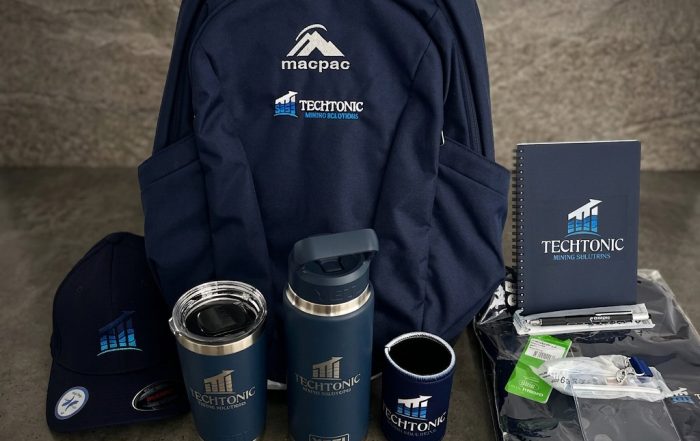
What Lands on the Desk of Every New Starter
Good bag. Good bottle. Great coffee cup. First impressions matter, but people tend to stay where they feel useful, heard and supported.
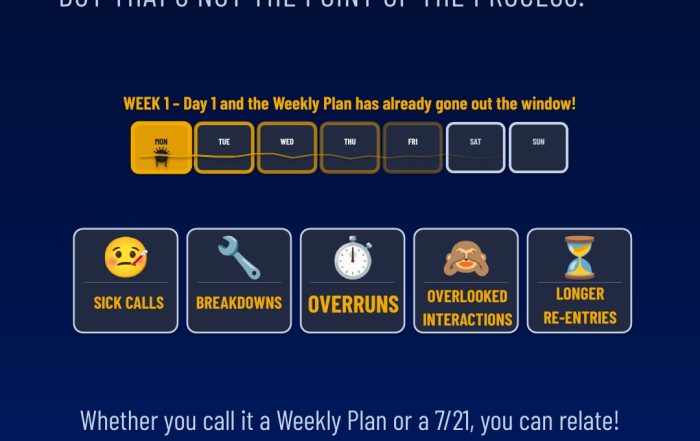
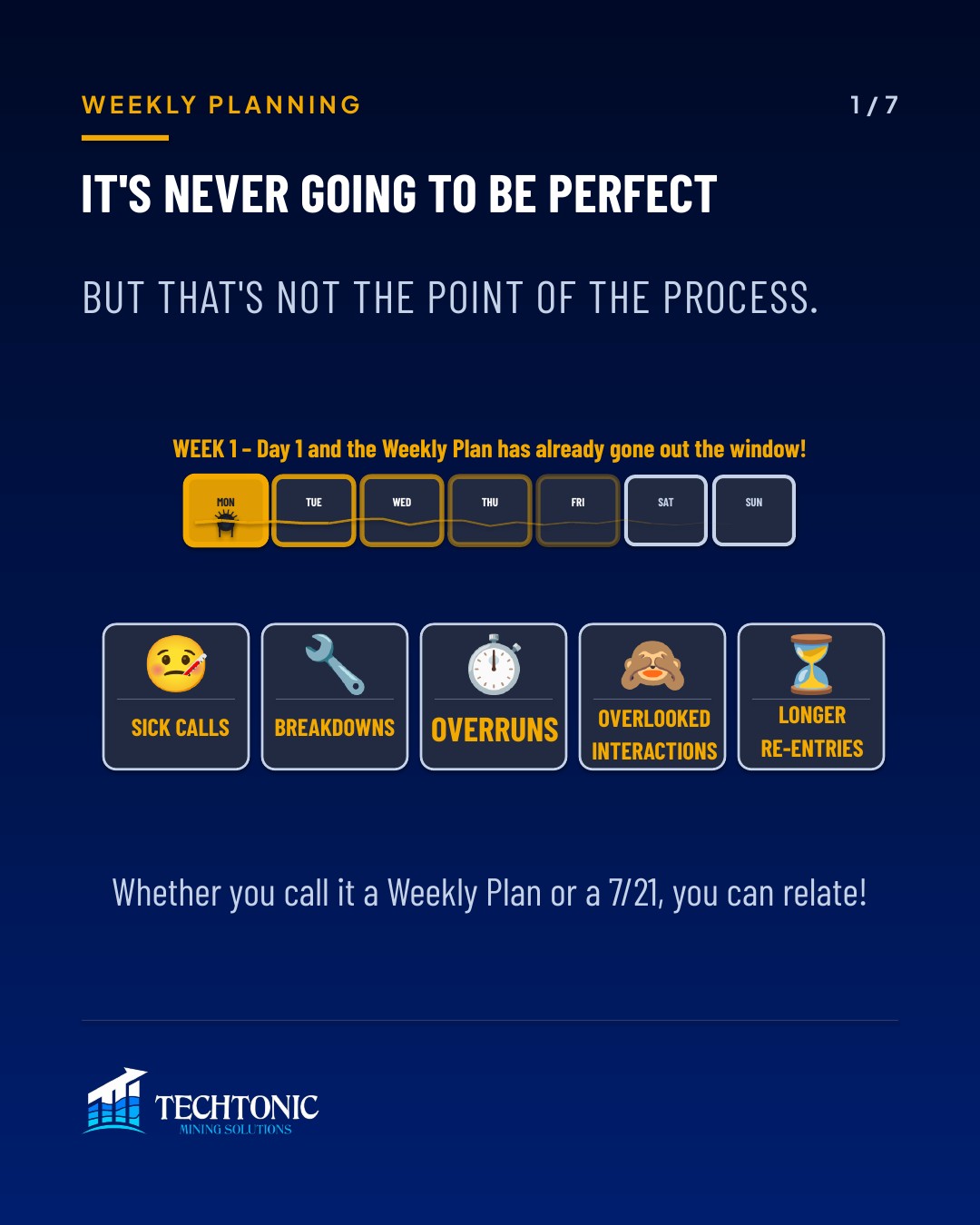
The Weekly Plan Is Never Perfect, and That Is Not the Point
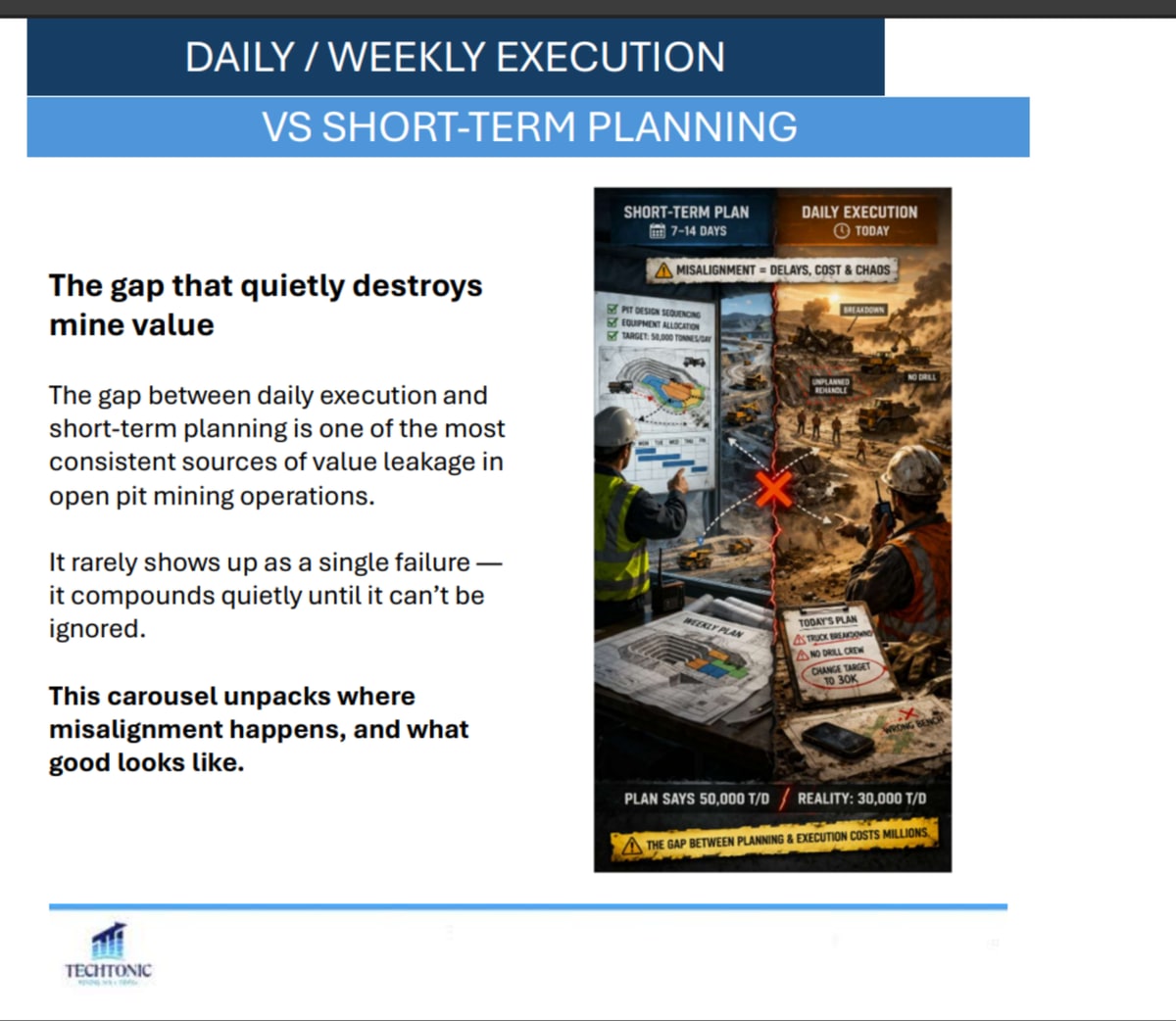
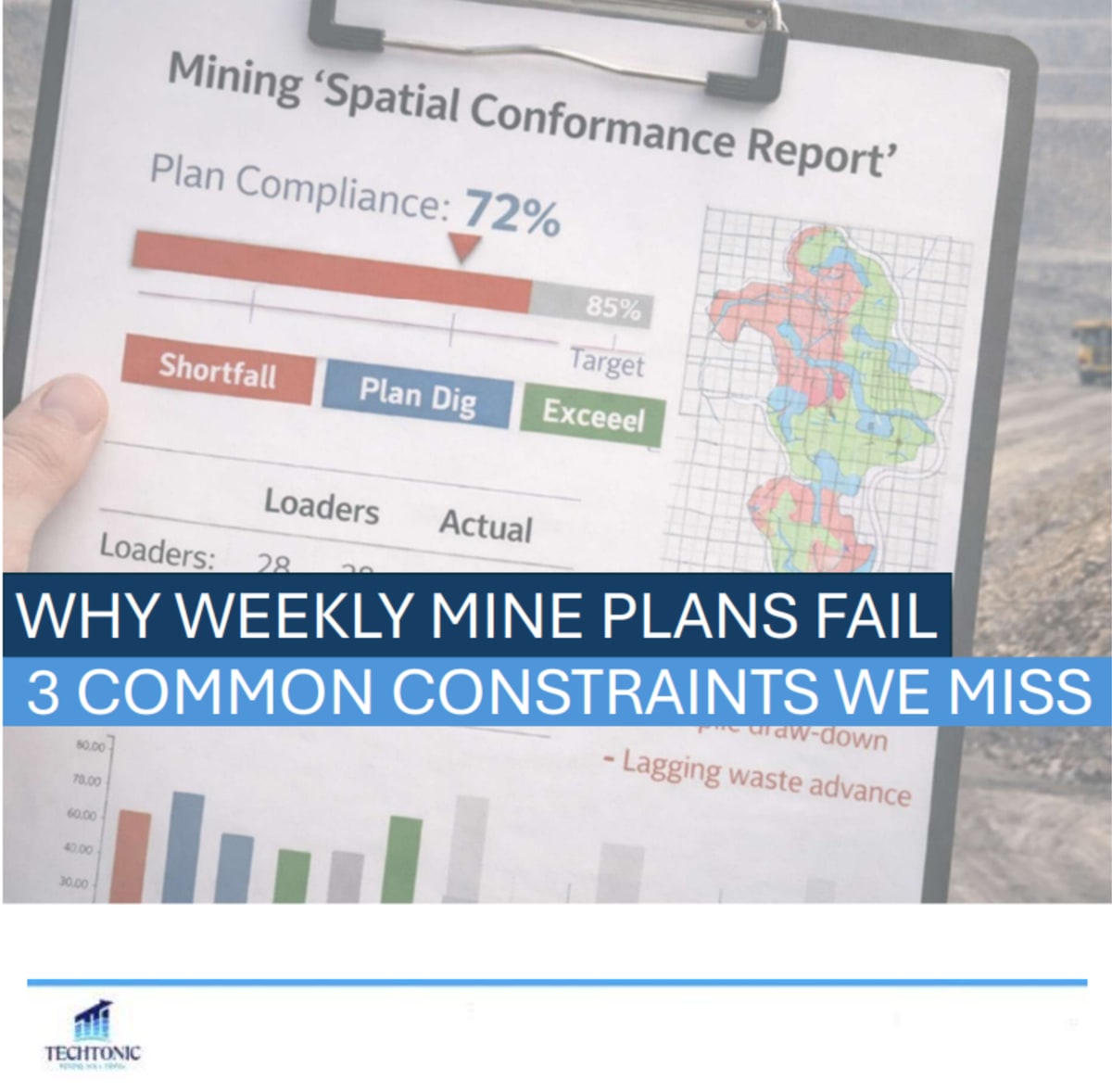
Week 1, Day 1, and the underground weekly plan has already gone out the window. Not a discipline problem, but did the team still get value from the plan?
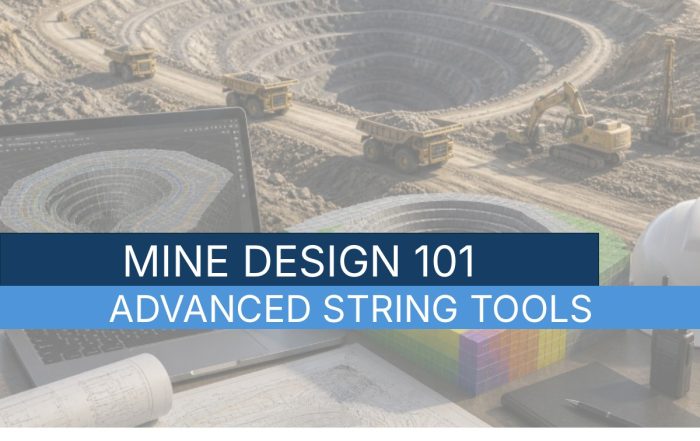
Advanced String Tools: Where Design Actually Happens
Most of a mine design is built with a handful of functions. A design built from rules can be checked, repeated and handed on; one built by dragging vertices can only be redrawn.
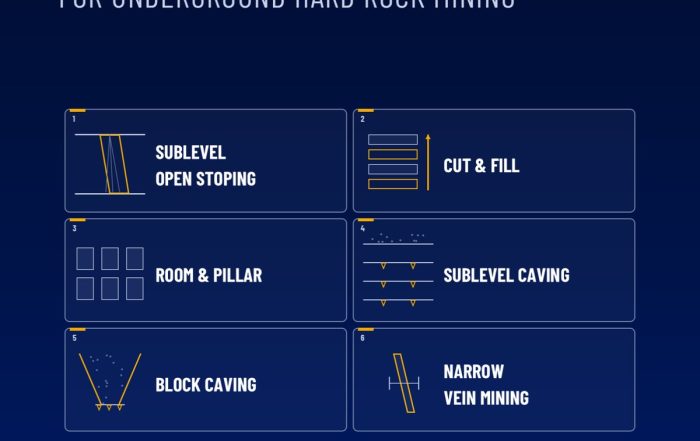
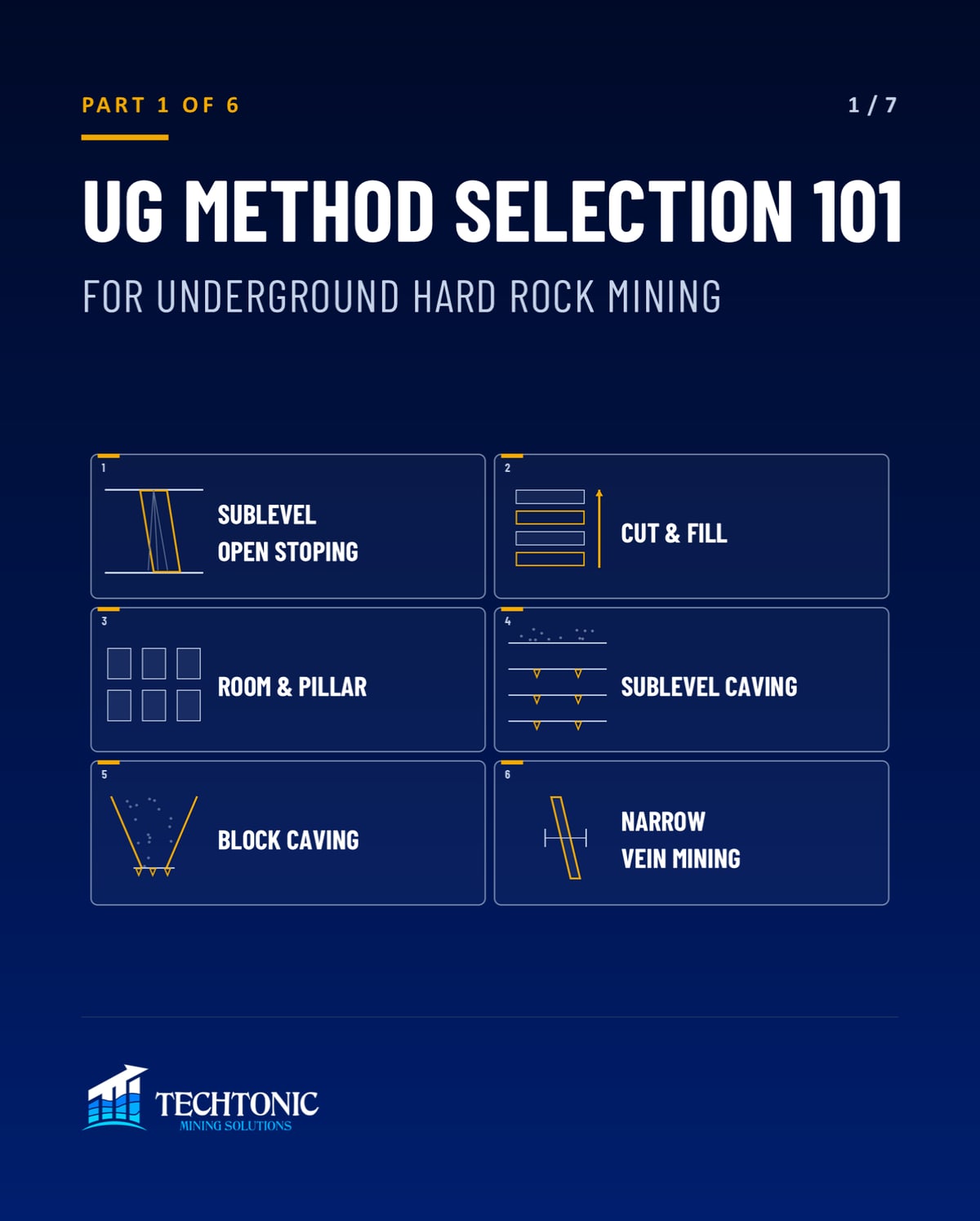
How Underground Mining Methods Are Actually Selected
There are maybe six sensible ways to mine an underground hard rock orebody. Pick the wrong one and you pay for it every day for a decade or two.

Strings: The Core of Mine Design
Points are data. Strings are design. A 0.1 m gap invisible at 1:1000 becomes a hole in your DTM, and then a problem in your volumes.
Browse by topic
Every article we have published, grouped by subject.